
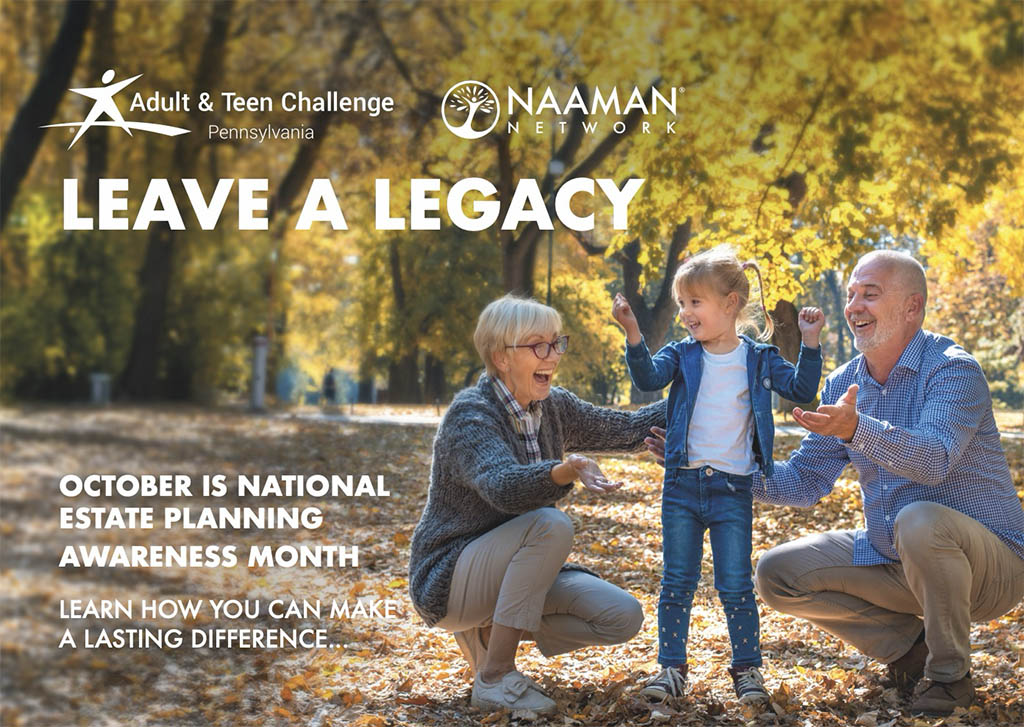
Seen, Saved, and Set Free
Fred’s Testimony of Faith and Recovery
Fred grew up on the South Side of Chicago, where gang life surrounded him from a young age. By the time he was in his early teens, he had dropped out of school and became caught up in street life. He ran with gangs, trafficked drugs and guns, and found himself constantly fighting to survive.
To Fred, at first, being involved with gangs was about protecting his neighborhood. But protection often led to rivalry, and rivalry ultimately led to violence. Fred lost friends to gang violence and saw others sentenced to life in prison.
As Fred grow older, he grew angrier and began drinking and doing drugs regularly.
It wasn’t always that way. Fred’s parents had raised him in a Christian home, teaching him the values of faith, responsibility, and love. But the streets quickly drowned out those lessons. His parents eventually moved the family from Chicago to Pennsylvania, hoping to give his younger brothers a chance at a different life.
Fred moved with them, but couldn’t leave the gang mentality behind. Within a year and a half of being in Pennsylvania, Fred was arrested on firearms charges.
At 20, Fred became a father. Despite the chaos of his own life, he loved his son deeply and cared for him during his early years while his son’s mother battled postpartum depression. He described his son as his “little buddy” who went everywhere with him. But Fred’s lifestyle eventually caught up to him. After being arrested again, Fred served five years in state prison.
“I remember when I went to prison, my dad sent me a Bible,” Fred says. “He said, ‘Learn it, live it, love it. It’s a way of life, Fred. It helps you become a man and grow with maturity.’”
Even then, Fred did not fully understand the depth of what his father was giving him.
When he got out, Fred tried to live a more stable life. He married, built a blended family, and for a while embraced a quieter rhythm with backyard barbecues, vacations, and kids’ school functions. His wife introduced him to the arts, including operas, plays, and concerts, which softened him and opened up his world beyond what he knew from the streets.
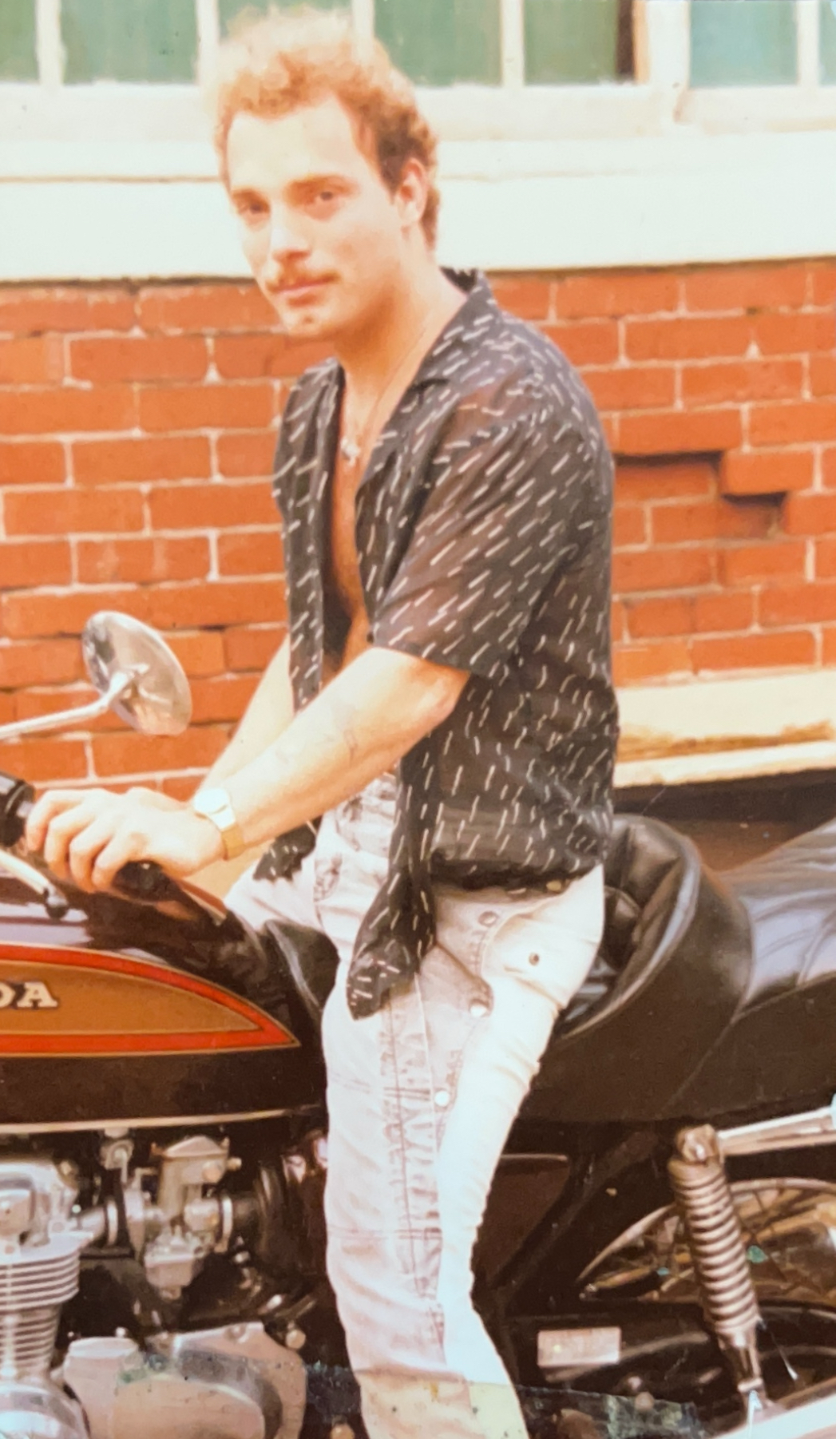
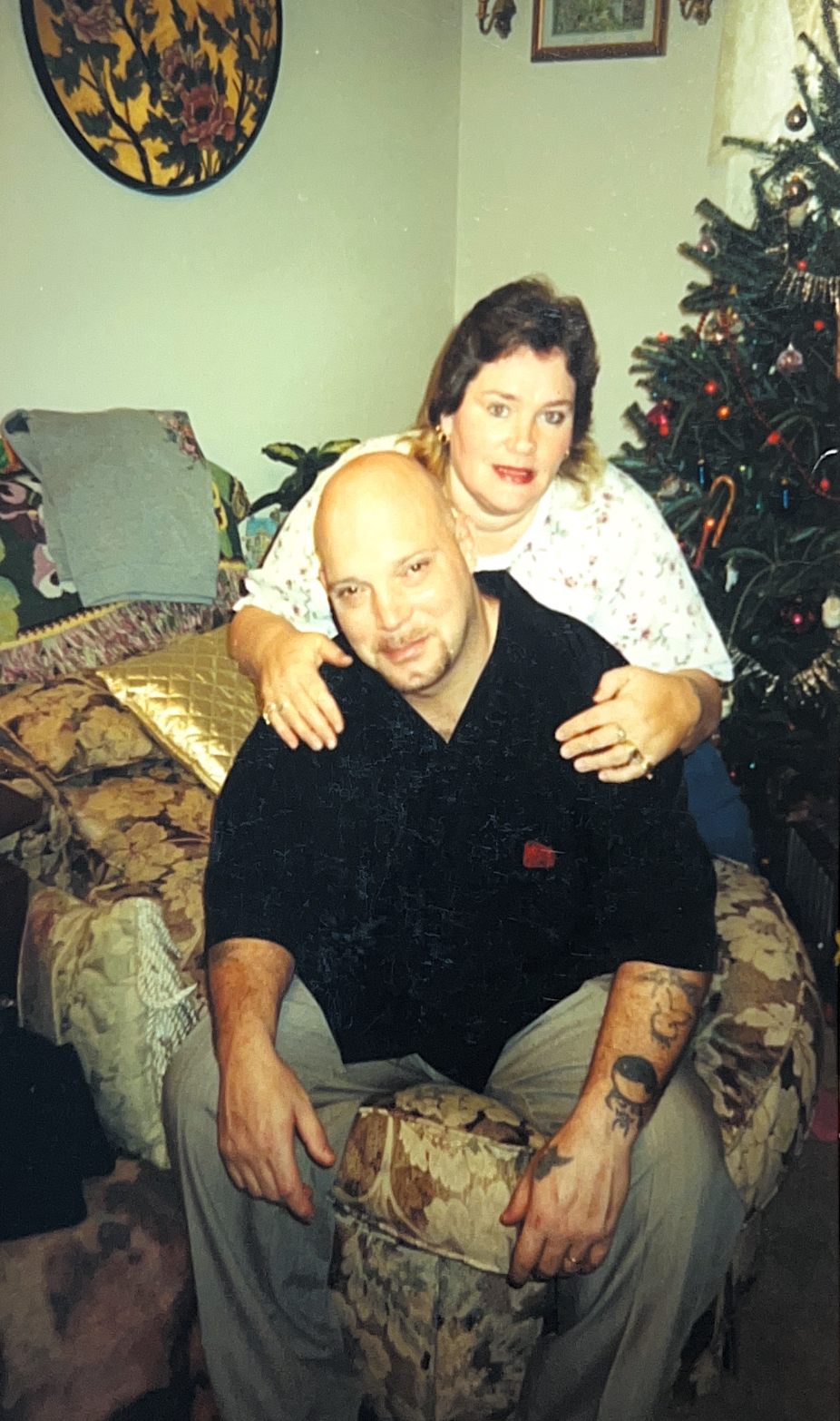
But over time, the marriage unraveled. Communication broke down, restlessness grew, and Fred drifted back into old habits of drinking and doing drugs. In the middle of the divorce, tragedy struck. Within a short span, Fred’s father, mother, and his son’s mother all passed away. The losses devastated him. “I was just mad at the world,” he said. “I pushed everyone away. Even my kids. I did not want them to see me like that.”
For nearly five years, Fred cycled in and out of the county jail. Each time he stood before the same judge, who kept giving him short sentences. Finally, one day, the judge called him up to the bench, turned off the microphone, and asked, “What’s going on with you? You’re not getting it. Tell me what’s happening in your life, Fred.”
He broke down and shared his story. Instead of giving him more jail time, the judge said, “You do not need more time. You need help.” That moment changed everything.
For the first time, Fred felt seen, not as a case number, but as a human being. The judge sent him to Pennsylvania Adult & Teen Challenge (PAATC). Fred did not have insurance or money, but through the generosity of donors, Fred received the help he needed. He started with our short-term program, then moved into the long-term discipleship program, and in 2018 he proudly graduated.
At Teen Challenge, faith became real for Fred. For the first time, he understood what his parents had tried to teach him. He felt unconditional love, experienced accountability, and developed a personal relationship with Jesus Christ. He realized that every step of his journey was part of Gods plan — including the judge who sent him to PAATC, the staff who guided him, and the donors who made it all possible.
___________
Today, Fred shares his story to show that change is possible. Without Pennsylvania Adult & Teen Challenge and the generosity of donors, he would never have had this chance. A young man with no insurance, little hope and a lot of pain found faith, redemption and purpose.
Leaving A Legacy of Hope
You’ve worked hard, saved faithfully, and want your resources to reflect your values. Here are some frequently asked questions that showcase how estate planning can do just that.
Q: What is estate planning?
Estate planning is a way to make a lasting impact through gifts arranged during your lifetime but realized in the future. This can include bequests in a will, naming an organization like PAATC as a beneficiary of a life insurance policy or retirement account, or other estate planning tools.
Q: How does estate planning benefit you?
Planned giving is a meaningful way to steward the resources God has entrusted to you. It allows you to leave a legacy that reflects your values and faith. It also can offer potential tax benefits for your estate and loved ones.
Q: Do I need to be wealthy to make a planned gift?
Not at all. Planned gifts come in all sizes and forms. Even a modest bequest or beneficiary designation can have a tremendous impact in helping individuals struggling with addiction find freedom and new life.
Q: How does planned giving help the men and women served by PAATC?
Your planned gift provides stability and sustainability, ensuring PAATC can continue to offer Christ-centered care, counseling, and recovery programs for decades to come. It means more lives transformed—more stories like Fred’s, who found healing and hope here because of the immediate and planned gifts of faithful supporters like you.
Through planned giving —or even by making a one-time gift today — your support ensures that PAATC continues for generations, even beyond your lifetime. We’d love to talk with you about how planned giving could work for your situation. Contact our office at 717-883-8207 or visit PAATC.org/leavealegacy to learn more.
One Gift Goes a Long Way
Mr. & Mrs. Fendricks have been donating since the 1970s when they first heard Dave Wilkerson’s story, The Cross and the Switchblade. Wilkerson’s testimony stirred something in their hearts; hearing about his obedience to Christ and passion for serving the underserved. While reviewing their goals and finances, they made the intentional decision to leave a significant amount to support the work we do.
From our CEO
October is National Estate Planning Awareness Month, a gentle reminder that each of us has an opportunity to leave a legacy that can outlive us.
At Pennsylvania Adult & Teen Challenge (PAATC), we see every day how the decisions we make now can impact future generations. Both one-time giving and thoughtful planned gifts help ensure that lives continue to be transformed here for years to come.
Lives like Fred’s, who’s journey is featured in this newsletter. Fred’s early life was shaped by the streets of Chicago, instilling within him a gang mentality that marred his life with drugs, alcohol, violence and crime. God, working through PAATC, gave Fred a fresh start. Today, he is restored, redeemed and living a life of faith his parents always dreamed for him. Stories like Fred’s are only possible because friends like you step forward in generosity.
I am deeply grateful for the many friends like you who give often to keep our mission going. We’ve also included some facts about estate planning in this newsletter for anyone considering how to make a long-lasting impact. Estate planning is a way of saying, “My legacy will be one of hope.”
That’s a legacy worth celebrating.

Kris J. McFadden, Sr., M.A.R.
President/CEO
WAYS TO GIVE
Give By Mail
Send your gift to
PA Adult & Teen Challenge
P.O. Box 98
Rehrersburg, PA 19550
Give Online
Click here to put your gift to work right away!
Give Monthly
Monthly donations are vital as they help us plan ahead and provide much needed support for our work.